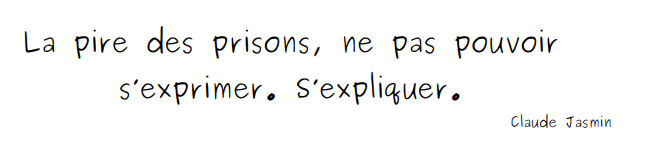
Prendre la parole devant quelques personnes ou devant une grande assemblée… Voilà qui peut stresser beaucoup, et comme l’école privilégie l’écrit, l’oral reste sous travaillé.
Ce cours vise à donner aux étudiants les outils et les techniques nécessaires pour une prise de la parole efficace et avec impact.
les Compétences visées dans le cadre de ce cours:
Oser s’exprimer :
- poser la voix ;
- gérer le trac.
Maîtriser le nonverbal :
- attitude corporelle ;
- regard ;
- présentation physique ;
- expression du visage …
Adapter son expression :
- utiliser un niveau de langue ;
- parler sans agressivité ;
- écouter et laisser s’exprimer les autres ;
- maîtriser le vocabulaire professionnel ;
- maintenir l’attention du public.
- préparer son message oralement et/ou par écrit ;
- parler à partir d’un schéma, d’un plan.
Structurer, organiser son expression :
S’exprimer au sein du groupe en vue de la réalisation d’un objectif :
- apprendre à négocier, à argumenter ;
- apprendre le sens de la nuance ;
- reconnaître l’apport de chacun ;
- proposer des solutions alternatives.
Évaluation
L’évaluation se fera par la présentation dans la classe un sujet préalablement préparé
- Enseignant: sofiane felfli
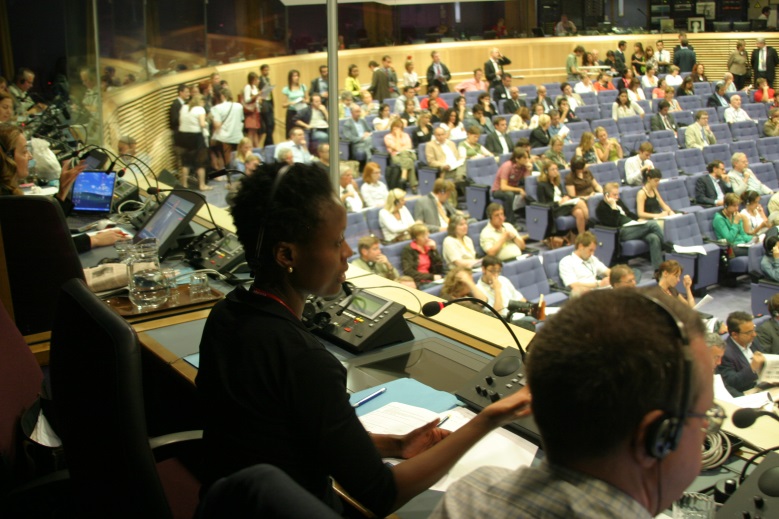
Simultaneous interpreting is a mode of interpreting in which the speaker makes a speech and the interpreter reformulates the speech into a language his audience understands at the same time (or simultaneously). Simultaneous interpreters work in an interpreting booth (though they may also be using a bidule (portable interpretation equipment without a booth) or whispering (chuchotage).
All of the skills mentioned under consecutive interpreting apply to simultaneous.
The three main actions are also essentially the same:
1) listen actively (understand)
2) analyse (structure the message)
3) reproduce (communicate)
The difference with consecutive interpreting is that in simultaneous interpreting all of these things need to happen at the same time (or simultaneously).
in this course we will learn to make the difference between (written translation) and interpreting, how the two domains are different and the difference between the two approaches.
we will also learn the essential skills and techniques to deliver a good quality of Simultaneous interpreting.
- Enseignant: sofiane felfli
- Enseignant: Salim DJEBBAR